One of the first things people ask me when I tell them what I do is, “But what does that actually look like day-to-day?”
It’s a fair question. “I write blog posts for food bloggers from home” sounds simple enough, but the actual texture of the day, what I do, when I do it, and what the work feels like in practice are harder to picture until someone walks you through it.
So that’s what I’m going to do. Here’s a real look at what a typical workday looks like for me as a full-time food blog ghostwriter.
A Little Context First
I’ve been doing this for six years. I have a roster of regular clients, food bloggers who send me a set number of posts each week, so my days are fairly predictable. I work from home, I set my own hours, and I’ve built my schedule around my family.
When I was first starting, my days looked a little different. More pitching, more uncertainty, more figuring-it-out energy. But the core of the work was the same. This is what it looks like once you’re up and running. And yes, depending on what you’ve got going on in your life, yours will look a bit different than mine!
Morning: Getting Into It
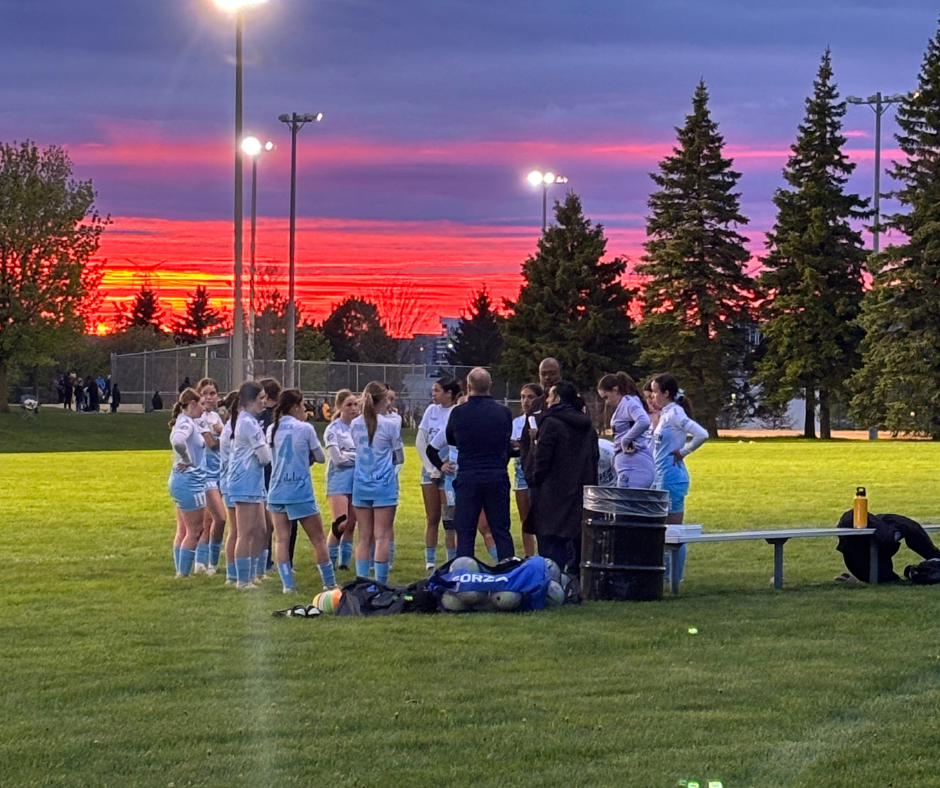
I’m not a 5 a.m. person. hustle culture person. In fact, as my kids get older, their practices and games are later, so sometimes we don’t get home until midnight. So, yeah…no thank you to the early morning start times.
I start work once I get back from dropping the two younger kids off at school. If I don’t have a grocery run to do or an appointment to attend, I’m back home just after 9:00 am.
My first move is always a second coffee and a quick check of my inbox. This is where I’ll find new post briefs from clients, any feedback on drafts I’ve sent over, or the occasional message from a blogger asking a quick question. I don’t linger here; I just want to know what’s waiting for me before I sit down to write.
Then I check my content calendar. I get post assignments for the week every Sunday. So Monday morning, I will sit down with my simple spreadsheet that tracks every post I have to write, coordinate that with my real-life daily planner, and decide based on what I’ve got going on in my life how I want to schedule the work.
For example, if I know the kids have early practices and games and my husband is working nights, and dinner will have to be ready early, I may decide that it makes the most sense to schedule just 1-2 posts for that day. If I see that the following day is a bit more open, especially in the evenings, I may schedule 3-4 posts for that day. I may also decide to write 2 while they’re in school, 1 just after dinner, and 1 when they’re asleep. It’s whatever makes sense!
This spreadsheet is the single most important organizational tool I have. It keeps me from scrambling, and it means I always know exactly what I’m working on throughout the week.
Most mornings, I have one or two posts to write. That’s my main work, the writing itself.
Mid-Morning: The Writing Block
This is the heart of my day, and honestly? It’s my favorite part.
Each client sends me a brief that includes the recipe, the target keyword, any specific angles or notes they want covered, and sometimes a few bullet points of content they want me to hit. My job is to take that brief and turn it into a polished, fully formatted blog post that sounds exactly like them.
When working with a new client, before I start writing, I spend a few minutes re-reading a couple of their recent posts. I’m reminding myself of their voice, their sentence length, their personality, the phrases they reach for, and how casual or formal they are. It’s like tuning an instrument before you play.
For clients I’ve been writing for for a while, I don’t need to look back at previous posts, because I wrote them!
Then I write.
A typical food blog post runs anywhere from 1,000 to 2,000 words, depending on the client and the topic. For me, that usually takes about an hour to an hour and a half per post once I’m in the flow. Some posts are faster, like a simple weeknight dinner post that practically writes itself. Others take more research and care, like a post on a technique-heavy dish or a very specific niche topic.
I aim to write two posts most mornings. By noon or so, my most cognitively demanding work is done.
Midday: The In-Between Stuff
Lunch is usually when I step away from the screen entirely. Even when I love the work, I need that reset. I might go for a walk, watch a show, or fold some laundry. Maybe I’ll call my mom or make something healthy to eat.
I might also drive to the school to drop off glasses my kid forgot!
After lunch is when I handle the less glamorous but necessary parts of running a freelance business:
- Responding to client messages. Answering questions, confirming briefs, and clarifying feedback
- Sending invoices. I invoice at the end of each month.
- Reviewing and revising. If a client has sent back notes on a draft, I work through revisions here.
- Research. Sometimes I’ll get a brief for a post that requires me to read up on a topic before I can write about it well (the food blogging world has so much nuance, Mediavine requirements, trending ingredients, and seasonal content timing).
- Prospecting, occasionally. Even with a full roster, I keep my eyes open for new opportunities, connect with bloggers online, or do a bit of outreach when I have capacity.
And if I have none of the above to do, this is when I answer other emails, school emails, kid fundraising stuff, organizing for the evening, preparing dinner, and after-school snack, or maybe I will take a shower and put myself together like a human!
This part of my day is usually 60–90 minutes. Then I’m done.
Afternoons: Off the Clock
One of the things I’m most grateful for about this career is that my afternoons belong to my family and me.
I’m not answering emails at 9 p.m. I’m not scrambling to meet a deadline I forgot about. I built this business to fit around my life, and that means protecting the hours that aren’t “work hours.”
Some days, of course, this isn’t perfectly tidy. A client needs something turned around quickly. A post takes longer than I expected. I choose to work in the car during a practice because I have a massage booked the next day or a school assembly to attend. So I get ahead of the next day’s work.
Whatever it is, life happens. But the flexibility is real, and it’s one of the biggest reasons I fell in love with this work in the first place.
What a Full Week Looks Like
Zooming out a little. Here’s how a typical week flows:
Monday: I personally take Mondays off. With the kids in multiple sports, the weekends are pretty heavy, so I reserve Mondays for a reset. I do the laundry, do some meal prep, and plan and organize for the week. I review incoming briefs for the week and update my content calendar.
Tuesday and Wednesday: These are my heaviest writing days. I aim to get the bulk of my weekly posts done by Wednesday afternoon.
Thursday: Writing any remaining posts, handling revisions, and sending invoices.
Friday: A lighter day. Any loose ends, a bit of client communication, and occasionally some time spent on my own content or business development. This may also be a day off if my kids have a tournament. I get to be fully present for the entire weekend.
Total hours worked per week? Somewhere between 15 and 20, depending on my current client load. It varies, and I like that.
The Honest Part
I want to be real with you: not every day is a dreamy writing session with perfectly timed breaks and a tidy inbox.
Some days a client’s feedback stings a little. Some days a post just won’t come together the way I want it to. Some days I have more work than feels comfortable, and I have to push myself to get through it.
But here’s what I can tell you after six years: those days are the exception, not the rule. And even on the hard days, I’m doing work I chose, from a place I love, on a schedule that respects my life.
That’s not nothing. That’s actually everything.
Could This Be Your Day?
If reading this made you think I could see myself doing that, I want you to know it’s genuinely more accessible than it might seem. I started with no clients, no portfolio, and no roadmap. I figured it out piece by piece.
The good news is that you don’t have to figure it out the same slow way I did. I’ve taken everything I learned over six years and started a Skool community called The Food Writing Table, where I help you build your own food blog ghostwriting business.
Your version of this day is out there. You just have to take the first step toward it.
What questions do you have about what this work looks like day-to-day? Leave them in the comments; I read every one.